Understand South Africa’s main social grants, current grant amounts, SASSA services and the steps that matter when applying, checking a SASSA SRD R370 Grant status, following a payment or dealing with a problem. Use current information, practical guides and official SASSA resources to identify the right grant or service and act on reliable instructions instead of scattered or outdated advice.
Understanding Social Grants In South Africa
Social grants provide financial support to qualifying people and households, but each grant has its own purpose and eligibility rules.
SASSA administers several permanent social grants for older people, children, people with disabilities and people who require specific forms of care, while the Social Relief of Distress grant provides a separate form of temporary support. Eligibility is not determined by the grant name alone: age, caregiving responsibility, disability assessments, means-test rules and other conditions can apply depending on the grant.
Compare the main grant types, current payment information and SASSA SRD R370 Grant services, then move to detailed guidance for applications, documents, payment problems, verification and other common questions.
A social grant is not automatically approved because somebody belongs to a broad age or family group. SASSA assesses the requirements of the particular grant, and some grants are subject to means tests or medical, caregiving and legal-placement requirements. Applicants should therefore use the correct grant information instead of relying on requirements remembered from another person's application.
What The Main Grants Are For
Older Person’s Grant. This grant supports qualifying people aged 60 and older. Applicants should check the current SASSA rules, including applicable means-test and residence requirements.
Child Support Grant. This is aimed at qualifying primary caregivers who are responsible for a child. The caregiver and child must meet the applicable SASSA conditions.
Foster Child Grant. This supports children who have been legally placed in foster care. Because foster placement has a legal basis, applicants should check the documentation SASSA requires for the placement.
Disability Grant. This supports qualifying adults whose disability affects their ability to work, subject to SASSA's assessment and other eligibility requirements.
Care Dependency Grant. This is intended for qualifying caregivers of children who require permanent care because of severe disability.
Grant-in-Aid. This is additional support for a qualifying social-grant beneficiary who requires regular full-time care from another person.
War Veterans Grant. This applies only to the limited group of qualifying war veterans who meet the current statutory conditions.
SASSA SRD R370 Grant. The Social Relief of Distress grant is separate from the permanent grants and is aimed at eligible people with little or no income under the current programme rules.
Because these grants serve different needs, the supporting evidence can differ significantly. A foster-care application is not documented in the same way as an older-person application, and disability-related grants can involve assessment requirements that do not apply to ordinary child-support applications.
Current Social Grant Amounts
Grant amounts can change when government announces an increase. Check the date below and confirm major changes through official SASSA information. Payment dates are a separate issue from grant amounts: an increase in the monthly value does not mean every beneficiary will be paid on the same day.
Grant amounts can change through the national budget and subsequent official notices. The Foster Child Grant, for example, has an additional increase scheduled for October 2026, which is why the date attached to an amount matters. Avoid using an old screenshot as proof of a current amount.
Payment dates and grant amounts are different pieces of information. Permanent grants are normally paid according to SASSA's announced monthly schedule, while SASSA SRD R370 Grant payments follow the dedicated SASSA SRD R370 Grant process. A beneficiary whose grant is under review or whose banking, identity or eligibility information requires attention may also experience a different process from somebody whose grant is proceeding normally.
SASSA SRD R370 Grant & Other SASSA Services
Use the appropriate service for the task you need rather than treating every SASSA problem as a status-check problem.
Applications should be made through the channels SASSA currently recognises for the relevant service. When online access is available, applicants should still save reference details and make sure the cellphone number and other contact information they provide remain accessible. Where an office visit is required, taking the correct documents can prevent an unnecessary return trip.
Before applying or trying to resolve a problem, keep your identification and contact details consistent and prepare the supporting documents relevant to your grant. Some processes can be completed through online services, while others may require additional verification or assistance from a SASSA office. If SASSA asks you to complete a review or provide information, follow the official instruction rather than relying on forwarded social-media messages.
Latest SASSA Information
Recent SASSA news, grant information and service updates.
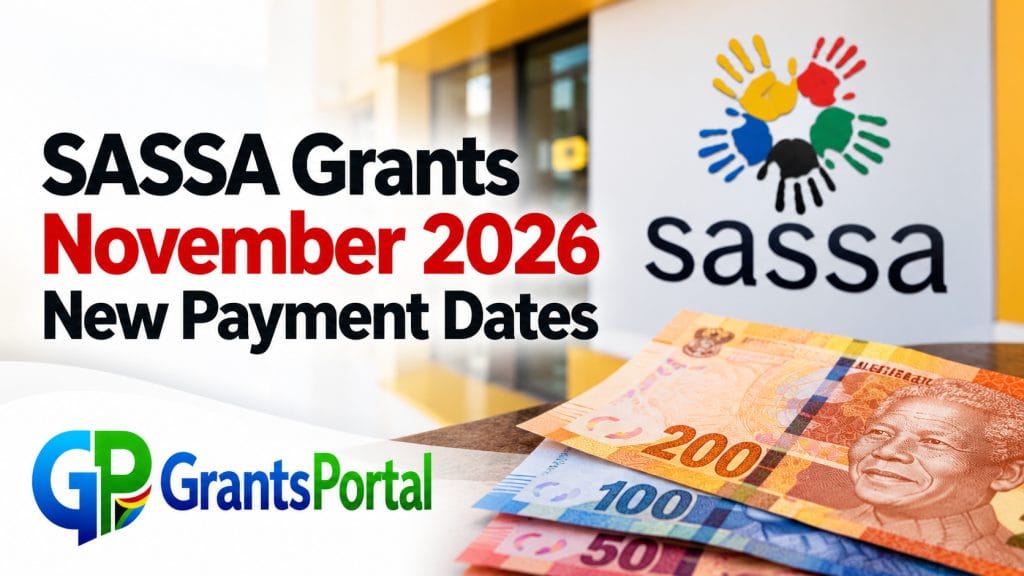
SASSA Announces New Grant Payment Dates For November 2026 Ahead Of Elections
The South African Social Security Agency (SASSA) has announced revised payment dates for SASSA grants November 2026, with beneficiaries set to receive their payments…
READ MORE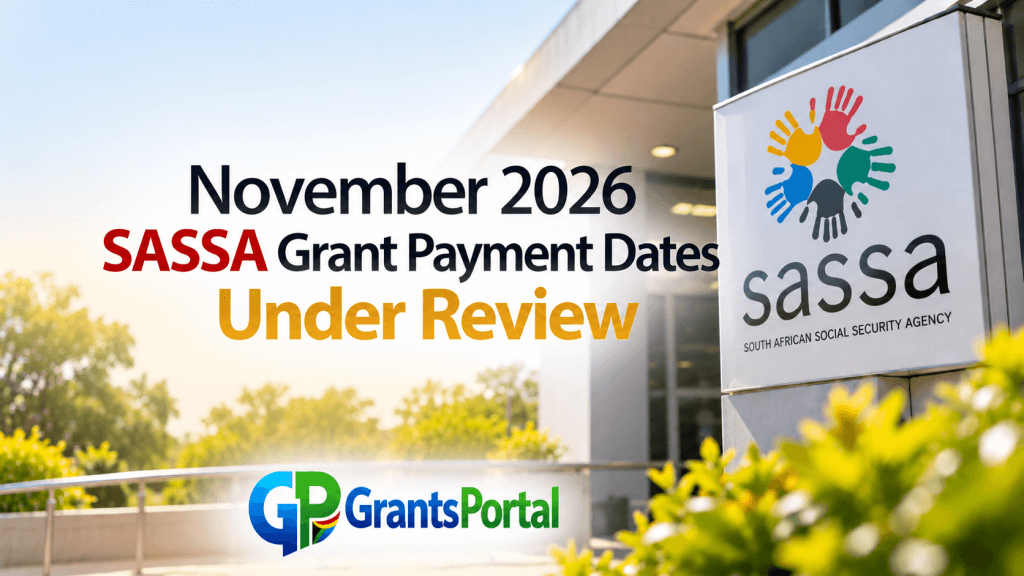
SASSA May Change November 2026 Grant Payment Dates Due to Election Day
The November 2026 SASSA payment dates are under review because the Local Government Elections will take place on Wednesday, 4 November 2026, the same…
READ MORE
July 2026 Grant Payment Dates Confirmed By SASSA
The South African Social Security Agency (SASSA) has officially confirmed the July 2026 grant payment dates, providing clarity for millions of beneficiaries who depend…
READ MORE
When Is the SASSA SRD R370 Grant Going to End? Latest Update for 2026
The Social Relief of Distress (SRD) R370 Grant continues to provide financial assistance to millions of unemployed South Africans. Since its introduction in 2020,…
READ MOREApplications, Payments And Common Problems
Many grant problems are easier to understand when you separate the application, eligibility and payment stages. An application may still be waiting for assessment; an approved beneficiary may need to resolve banking or identity information; or an existing grant may be selected for a review to confirm continued eligibility. The correct next step depends on the actual message or problem you received.
Supporting documents also differ by grant. Identification, proof relating to income or marital circumstances, medical or disability information, caregiving documents and foster-care documentation may be relevant in different situations. Do not assume that a document requested for one grant automatically applies to every other grant.
If a status is pending, declined, referred or otherwise requires action, read the explanation for that specific status before attempting random changes. Appeals, identity verification and banking updates are different processes and should not be treated as interchangeable fixes.
For payment issues, first check whether SASSA has announced the payment date and whether there is a specific review or verification affecting the beneficiary. Keep screenshots or reference information where useful, but never share PINs, passwords or one-time codes with people claiming they can release a grant payment.

SASSA R370 SRD Grant Status Check 2026
Check Your SASSA R370 SRD Grant Application Status Online The SASSA R370 Social Relief of Distress (SRD) Grant helps qualifying South Africans who have…
READ GUIDE
SASSA Pending Status Explained: What You Need to Know
What Does “Pending” Status Mean? When you check your SASSA application status and see “Pending,” it means your application is currently under review and being…
READ GUIDEKeep Your Grant Information Safe
Grant beneficiaries are frequent targets for misleading messages and impersonation. Treat unsolicited requests for passwords, PINs and one-time codes as suspicious. When a message claims that SASSA has changed a rule, payment date or verification process, compare it with an official SASSA or government announcement before acting.
Keep the cellphone number linked to important services under your control and update details only through recognised processes. If you need in-person assistance, use official contact information to identify the appropriate SASSA office or service rather than paying an unofficial intermediary to access a free government service.
What Happens After A SASSA Application Or Review
The next step depends on whether you submitted a new application, updated information, completed a review or responded to a status problem.
After a grant application or review is submitted, keep any confirmation, reference number or message that shows what was completed. SASSA may still need to verify identity, income, banking, caregiving, medical or other information depending on the grant and process involved. A submitted form therefore does not always mean that the next update will appear immediately.
Monitor the cellphone number and other contact details linked to the application because requests for additional information or verification can be time-sensitive. When your status changes, read the wording carefully before taking action. A pending assessment, declined outcome, identity-verification request, banking issue and payment-date update are different situations and should not be treated as one general problem.
If you are asked to correct or confirm information, use the recognised SASSA process for that specific request and keep a record of what you changed. Avoid repeatedly changing details without a clear reason, and never pay somebody who promises to approve a grant, release a payment or bypass an official review. When you are unsure, verify the instruction through SASSA’s official channels before sharing personal information.
Before You Contact SASSA
Having the right information ready can make it easier to explain an application, payment or status problem.
- Keep the ID number and cellphone number linked to the application available.
- Write down the exact status, message or error you are seeing instead of describing it from memory.
- Keep application, appeal or reference details where SASSA has provided them.
- For payment problems, check the relevant payment period and the payment method or bank details currently linked to the grant.
- Never give an OTP, PIN or banking password to somebody claiming they can speed up a grant application.
Frequently Asked Questions
Who qualifies for a social grant?
Eligibility depends on the specific grant. Requirements can include age, income or means-test rules, disability assessments, caregiving responsibility and residence or legal-status conditions.
Can I apply for a social grant online?
Some SASSA services are available online while other applications or supporting steps may require an office visit. Check the current SASSA guidance for the grant you need.
How do I check my SASSA SRD R370 Grant status?
Use the GrantsPortal SASSA SRD R370 Grant Status Checker or the official SASSA SRD R370 Grant service with the ID number and cellphone number linked to the application.
How often are grants paid?
Most permanent social grants are paid monthly according to SASSA’s announced schedule. Exact dates vary by month and grant group.
What should I do if my SASSA status is pending or declined?
Read the exact status reason first. Pending, declined, referred, identity verification and banking issues can require different actions, so use the guidance for the status shown instead of making random changes.
Where should I confirm grant amounts and payment information?
Use current SASSA announcements and official SASSA services for final confirmation of grant rules, amounts, payment dates and service updates.
Official SASSA Resources
Use official SASSA channels when you need to confirm eligibility, application instructions, payment information or a change to a grant.